







U.S. Senate Rejects Bill to Limit Trump’s Military Action Against Venezuela
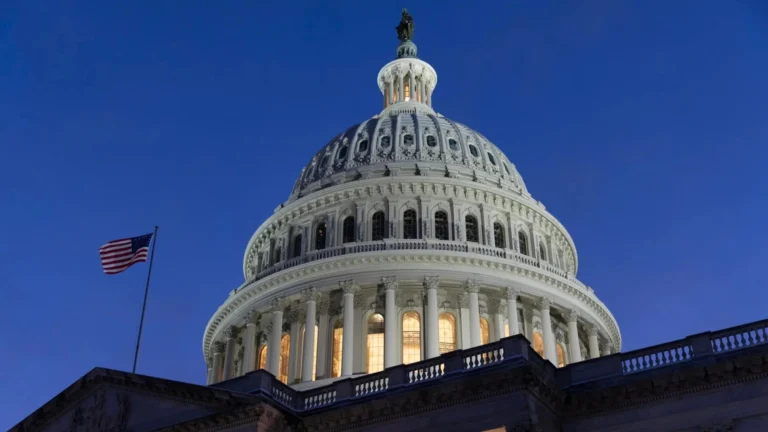
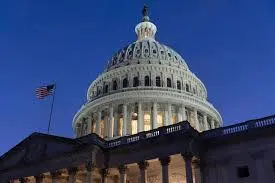
(FILE) The US Capitol Building is seen at dusk before a Senate vote on Capitol Hill in Washington, DC, US, 16 January 2024. Photo: EFE.
November 7, 2025 Hour: 4:11 am
🔗 Comparte este artículo
The United States Senate narrowly rejected a bill that would have required congressional approval for President Donald Trump to carry out military operations against Venezuela.
Although two Republican senators broke ranks to join the Democrats, the legislation failed by a vote of 51 to 49 on Thursday, highlighting Washington’s willingness to escalate tensions in the region.
“We should not be going to war without a vote of Congress,” Democratic Senator Tim Kaine said during a speech.
RELATED: Trump Says Bombings Target ‘Terrorist Cartels’ Beyond Venezuela
The vote comes amid a growing U.S. military presence in the Caribbean, including a nuclear submarine, and a fleet of warships escorting the USS Gerald R. Ford, the U.S. Navy’s most advanced aircraft carrier. Recent U.S. strikes targeting vessels in international waters off Venezuela and Colombia have killed at least 65 people.
While the Washington claims—without presenting evidence—that these boats were carrying drugs, Latin American leaders, family members of the victims, and international law experts have denounced the attacks as extrajudicial killings, noting that most of the deceased were fishermen.
Trump hinted that Venezuelan President Nicolás Maduro’s “days are numbered” while simultaneously denying any plans to go to war with Caracas in an interview with CBS. When asked about potential “land strikes”, he refused to confirm or deny them. “I don’t talk to a reporter about whether or not I’m going to strike,” he stressed.
The failed Senate legislation, designed to rein in unilateral military action, highlights how easily Washington can bypass international norms and constitutional checks to threaten a nation that has consistently defended its independence.
In recent years, U.S. Congress has made occasional efforts to reassert itself and impose restraints on foreign military engagements through the War Powers Resolution of 1973, which reaffirmed that Congress alone has the power to declare war.
Author: vmmh
Source: Al-Jazeera